Small Laundry Guide
Small Laundry Room Storage by Usable Zone
When the laundry area is barely larger than the machines, the useful question is not “What organizer is popular?” It is “Which storage zone do I actually have?”
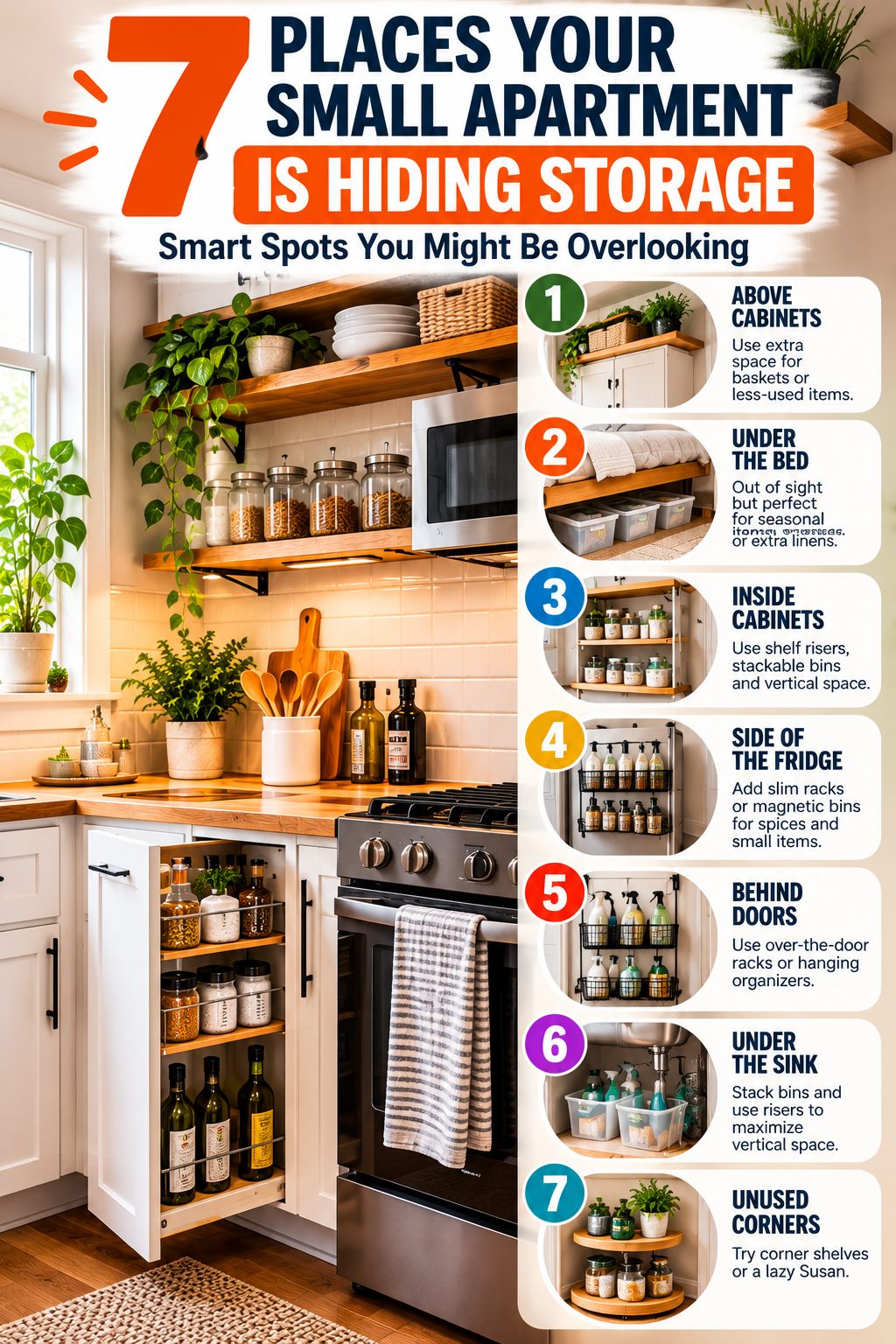
Make the space work first
Useful decisions before more stuff.
Above the machines
Use available vertical clearance for freestanding or appropriately installed shelving where safe and compatible with the space.
Beside the machines
Measure narrow gaps before considering slim carts or freestanding storage. Leave required appliance and ventilation clearance.
Doors and adjacent surfaces
Over-door storage can hold light supplies when the door, hinges and clearance permit it.
Portable storage
Baskets and handled bins can keep supplies grouped without permanently occupying scarce floor space.
Drying zone
Choose a drying solution based on available wall, door or freestanding space and the weight it needs to support.
Keep sorting compact
Give dirty laundry a small, defined collection spot. Use handled baskets or a compact divided hamper if the available footprint permits it. Sort by your care labels and normal wash loads, and move baskets out of the operating aisle while machines are in use.
Protect a folding surface
Choose one clear surface for folding clean laundry. In a closet, that may be a nearby table used only when needed; do not assume there is room for a permanent counter. Keep appliance doors, controls, ventilation and required service clearances available.
Store detergent safely
Keep detergent in its original closed container and follow its storage label. Keep supplies away from children and pets; easy adult access must not mean child access. Avoid exposed decorative decanting or storing supplies where opening a machine knocks them down.
Choose a drying rack by how it opens
A folding freestanding rack can be put away between loads but needs floor space while open. An over-door rack uses a suitable door only when hooks, hinges and closing clearance permit it. A wall-mounted folding rack needs permission and the specified fixings. Check the rack's load limit and place garments with air between them. Keep machine access, exits, heaters and required appliance ventilation clear. Fold the rack only after removing the laundry.