Small Kitchen Guide
Small Kitchen Storage That Fits Before You Buy
Reclaim useful kitchen space by identifying the constraint first, measuring it correctly, and only then choosing an organizer.
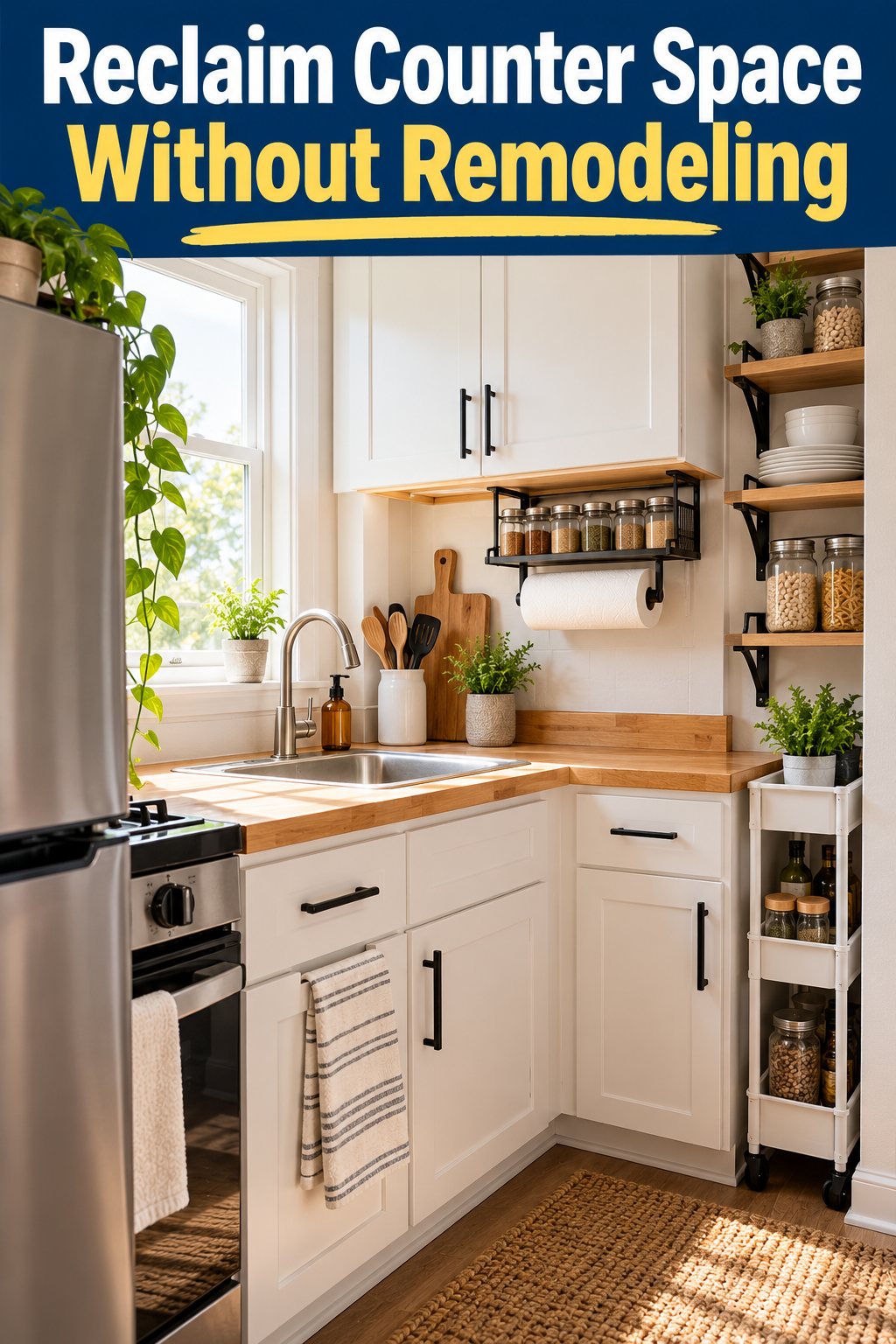
Make the space work first
Useful decisions before more stuff.
Measure these 4 spots before buying organizers
Cabinet width: usable inside width. Shelf height: vertical clearance between shelves. Drawer depth: usable interior depth with the drawer closed. Narrow gaps: usable space beside appliances, cabinets or counters.
Cabinets
Shelf risers can use vertical clearance; pull-out systems can improve access. Measure hinges, door openings and interior obstructions before choosing either.
Counters
Protect working surface first. Move infrequently used items off the counter before adding another countertop organizer.
Vertical space
Where appropriate, use height rather than consuming more counter or floor area.
Narrow gaps
A slim cart can turn an otherwise unused gap into storage, but only after measuring the narrowest usable width and necessary access clearance.
Organize around prep, cooking and cleanup
Start with the work you repeat. Keep a small clear preparation surface and place the board and tools you use there within reach. Put active cooking tools near their point of use, clear of heat and handles. Keep the sink and its approach free for washing and cleanup. These zones can share space in a tiny kitchen; they do not require new cabinets.
Move backstock out of the daily zones
Separate unopened supplies and occasional appliances from the tools needed for today’s meals. Use an appropriate cabinet or nearby storage for extras so the preparation surface and sink remain usable. Test the arrangement through a few normal meals before buying an organizer.
Choose a home for pot lids
Compare a freestanding vertical divider in a drawer or cabinet with a suitable door-mounted rack. Check the actual lid diameter, knob height and rack slots; count the lids you really use. A drawer divider keeps lids upright without mounting. A door rack can free shelf space only when its installation is appropriate and the loaded rack clears shelves and hinges. Store clean dry lids and keep access to the pots simple. Do not assume a generic rack fits every lid.